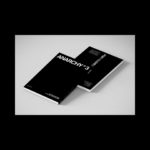
Vol.32 万華鏡レンズによる新シリーズ「STAY」
今まで私の作品の特徴はフィルムカメラによる多重露光でしたが、昨年から新たなシリーズを展開していました。それが万華鏡レンズによるシリーズ「STAY」です。本日より作品集の販売を開始しましたので、今回はこちらのシリーズについて紹介します。
万華鏡レンズとの出会い
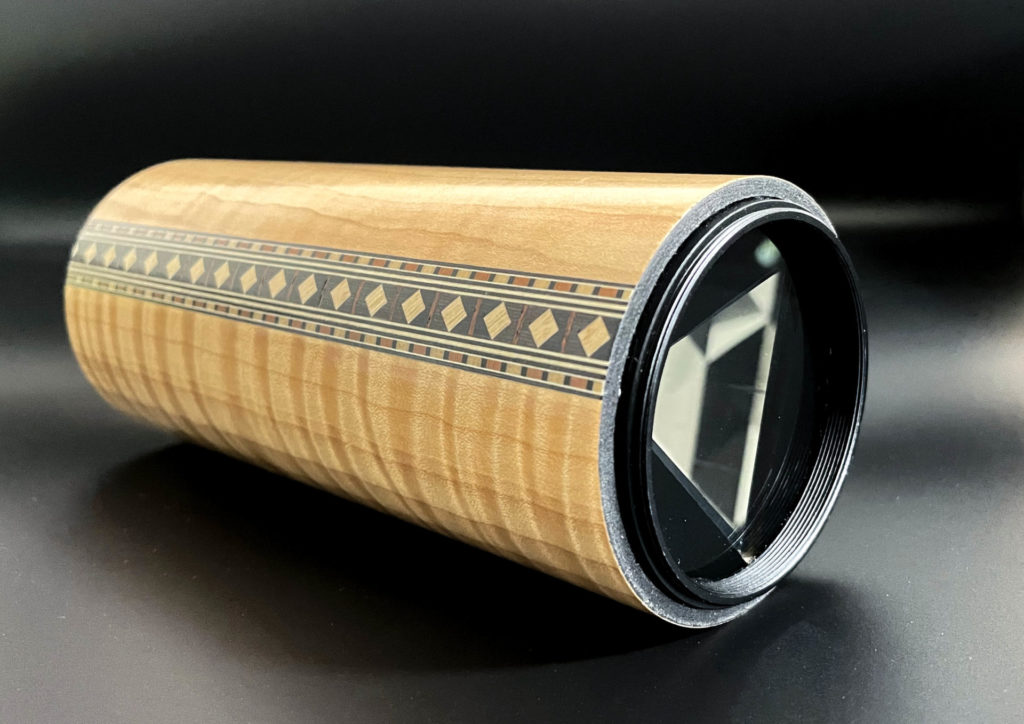
万華鏡レンズとの出会いは、とても唐突なものでした。昨年の夏、私の写真集「Mission」を購入してくれたあるアメリカ人の方が日本へ旅行に来た際、私のプリント作品を見るために自宅兼事務所を訪ねてくれたのです。万華鏡が大好きな彼は自身も万華鏡レンズで使用して撮影をしており、なんと新品の万華鏡レンズをプレゼントしてくれたのでした。アメリカの職人による手作りの、とても精巧なレンズでした。
それまで万華鏡にさほど強い関心がなかった私でしたが、この突然のプレゼントが何か面白いことの始まりではないかと感じ、すぐに使い始めました。
初めての撮影、マレーシアへ
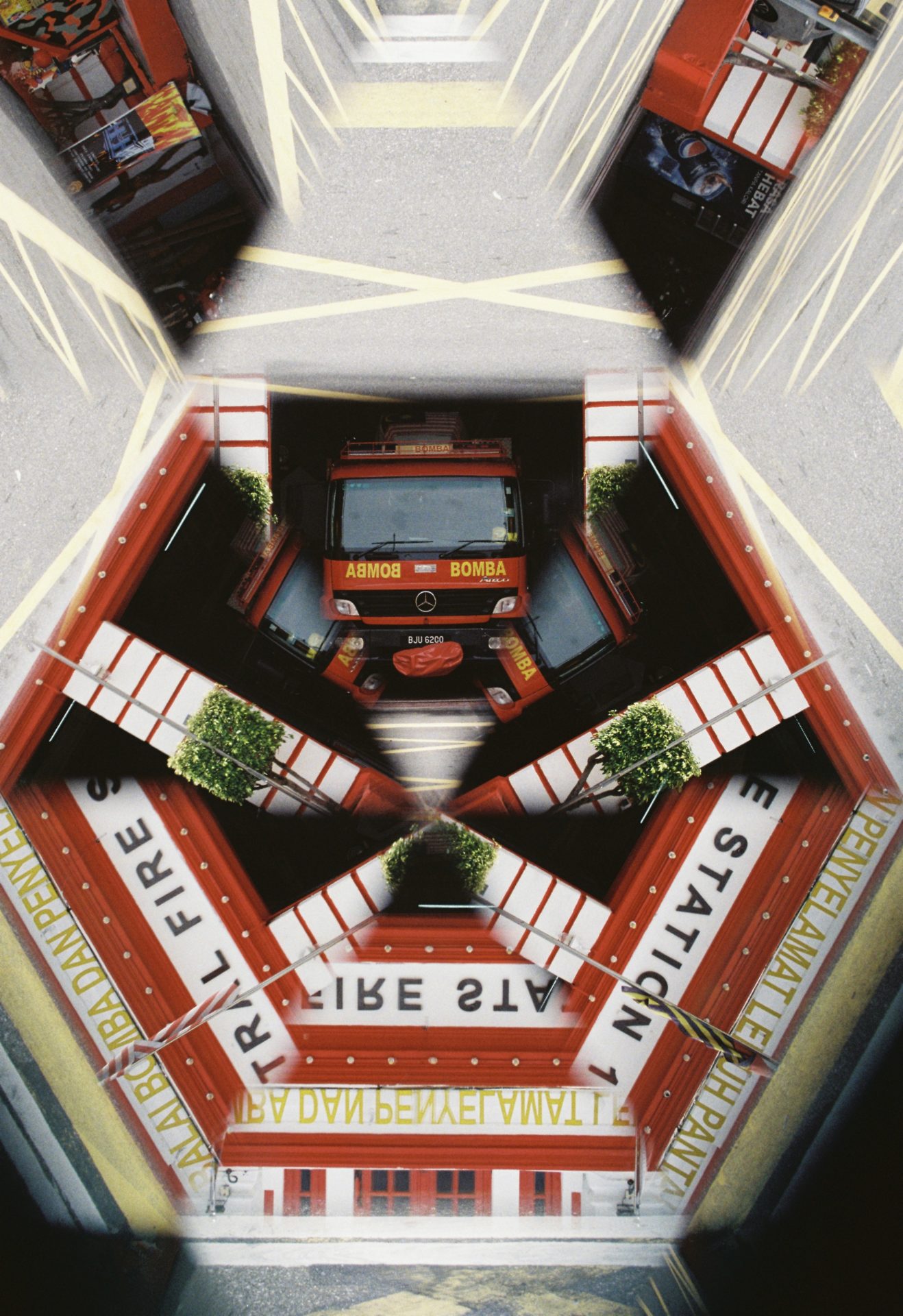
最初の撮影地はマレーシア。多重露光と違い、万華鏡レンズはビューファインダーを覗けばその構図が確認できるため、失敗はほぼありません。そのため最初は「多重露光より簡単だ」と思っていました。
しかしこのレンズには大きな特性があります。万華鏡と同じように、2度と同じ模様を生み出さないのです。理想の構図を見つけたら、レンズを回したりカメラを動かしたりせず、その瞬間をキープしてすぐにシャッターを切る必要があります。もう少し良い構図があるかもと欲張った瞬間、同じ景色には二度と戻れないのです。
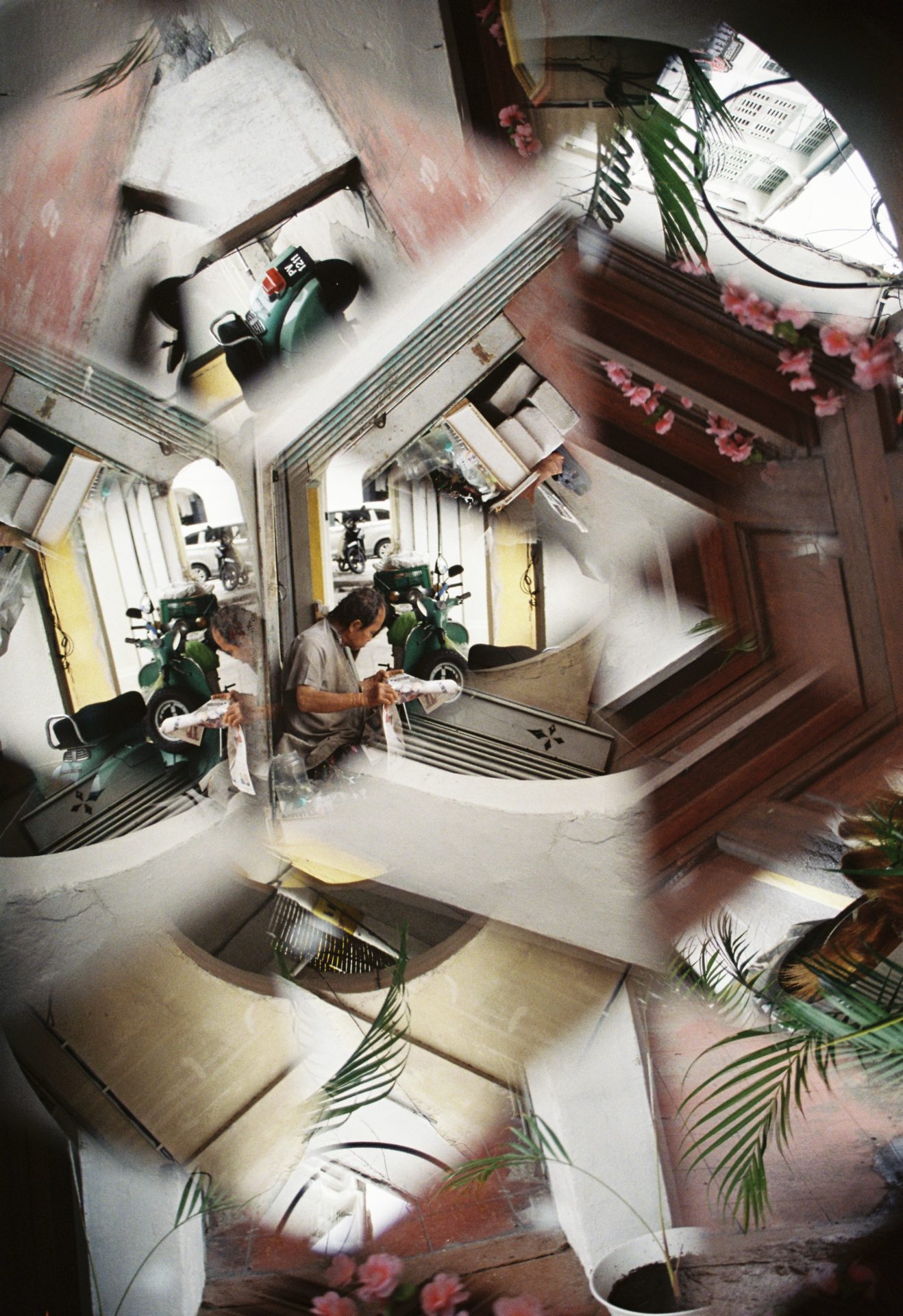
それでもマレーシアではフィルム2本分、想像以上に面白い写真を撮影することができました。本来の万華鏡のような美しい対称模様だけでなく、どこか立体的に見える構図や、望遠レンズの焦点距離を変えることで全く異なる見え方になるなど、想像を超えた結果が得られたのです。
東京・大阪へ、実験的な撮影を続けて
このレンズの楽しさを知った私はすぐに東京・大阪でも撮影を続けました。さまざまな被写体に対し、焦点距離を変えながらどのように表現できるかを実験的に探っていきました。
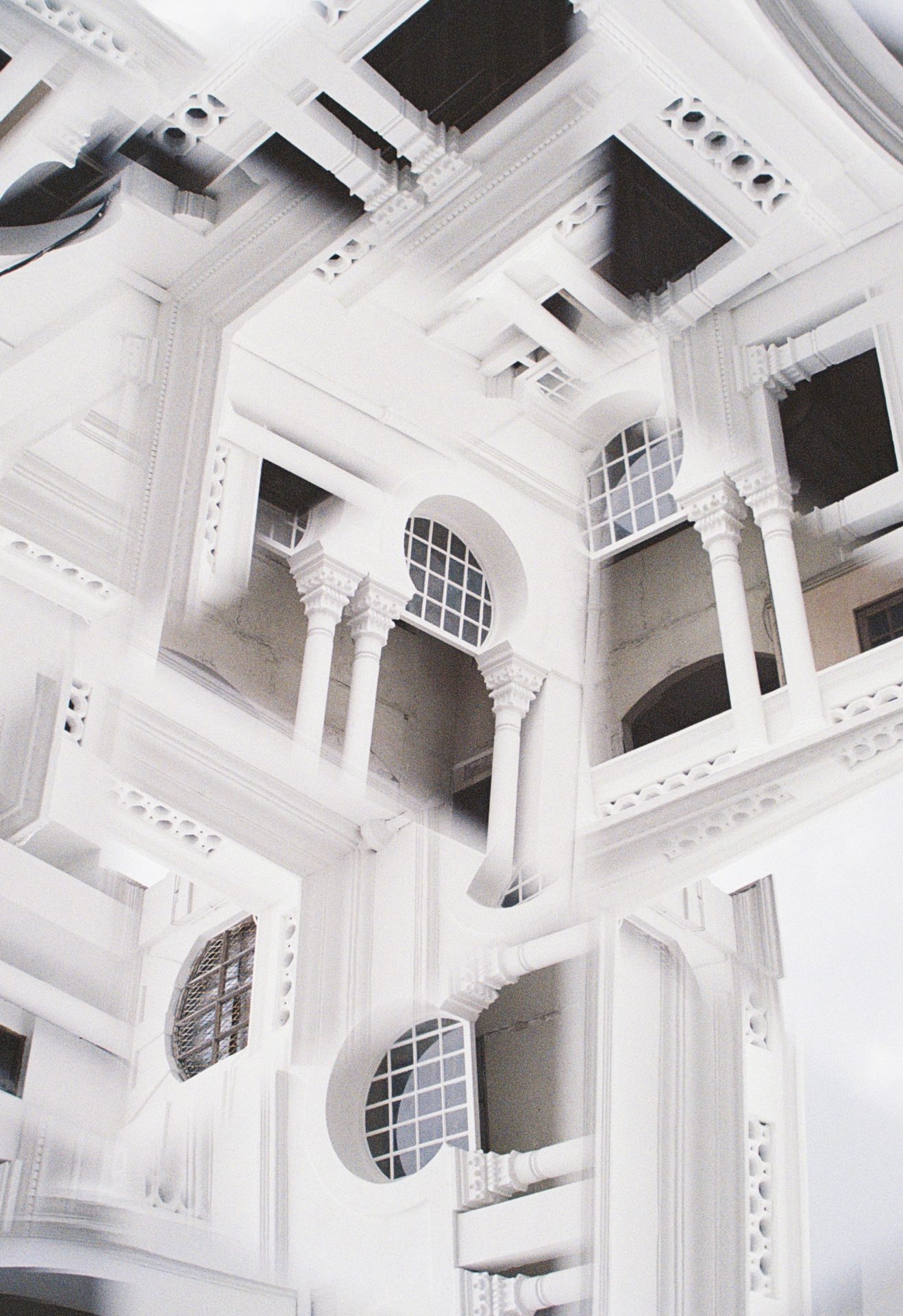
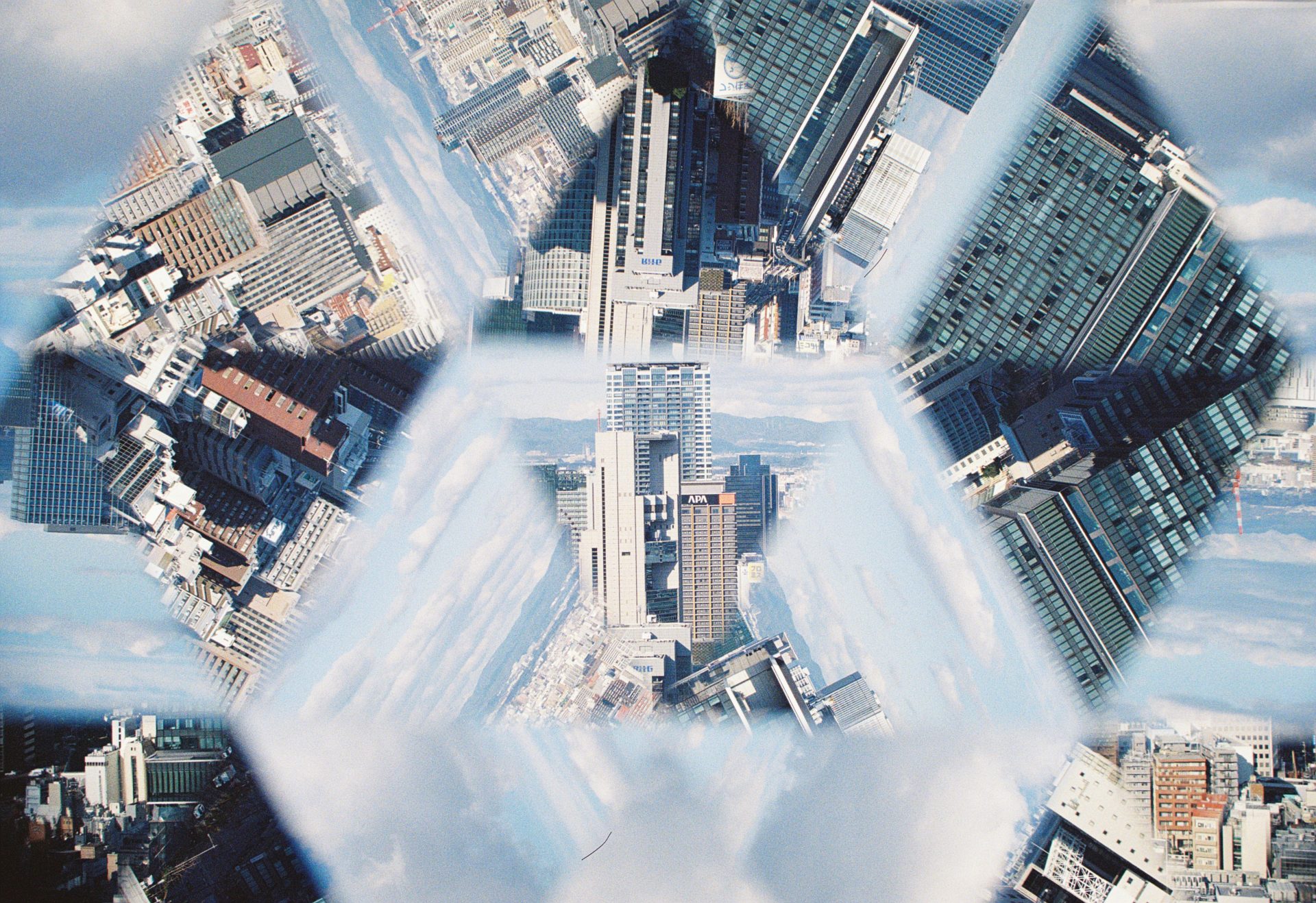
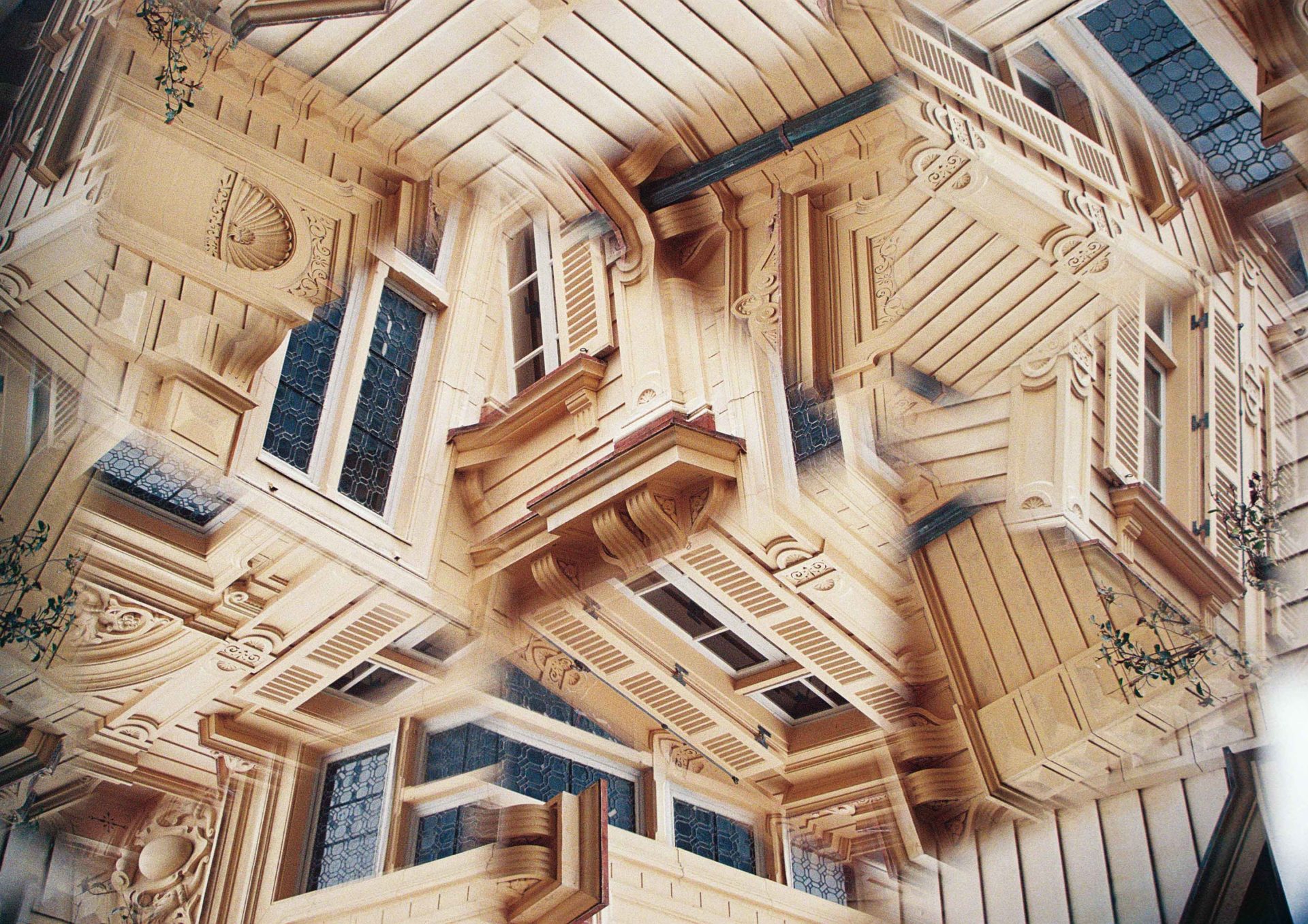
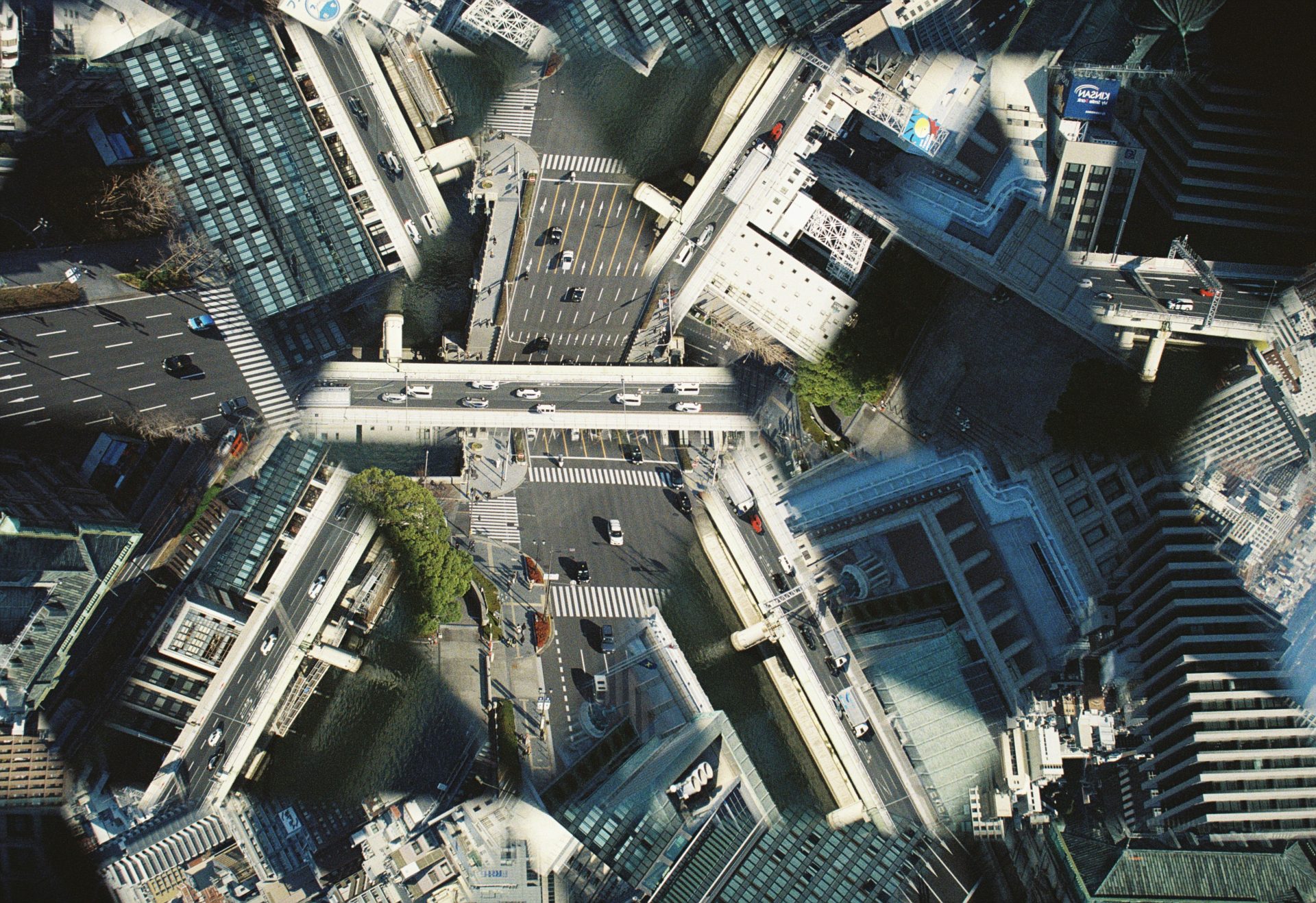
その結果、万華鏡らしい美しい対称模様に加え、錯視で知られるエッシャーの絵画のような作品や、クリストファー・ノーラン監督の映画『Inception』に登場する天地がひっくり返ったようなシーンを思わせる作品など、多彩な表現が生まれました。
タイトル「STAY」に込めた2つの意味
想像以上に多くの満足のいく作品が仕上がり、この度ZINEとして製作することになりました。タイトル「STAY」には、2つの意味が込められています。
ひとつは、撮影の瞬間をキープするということ。 このレンズは2度と同じ模様を生み出しません。理想の構図を見つけたら、その瞬間を「STAY」してすぐにシャッターを切る——そんな撮影の本質を表しています。
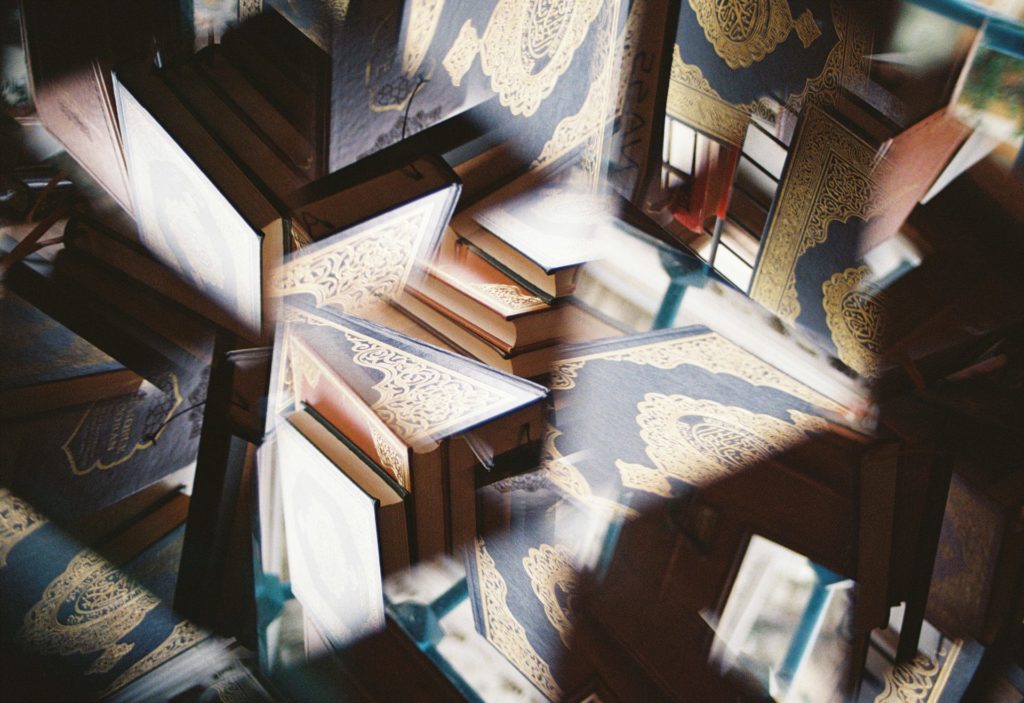
もうひとつは、映画『インターステラー』へのオマージュ。 作品の中に本棚を撮影した写真があり、その光景が劇中の印象的な本棚のシーンを想起させました。「STAY」はこの映画の核心となる言葉でもあります。
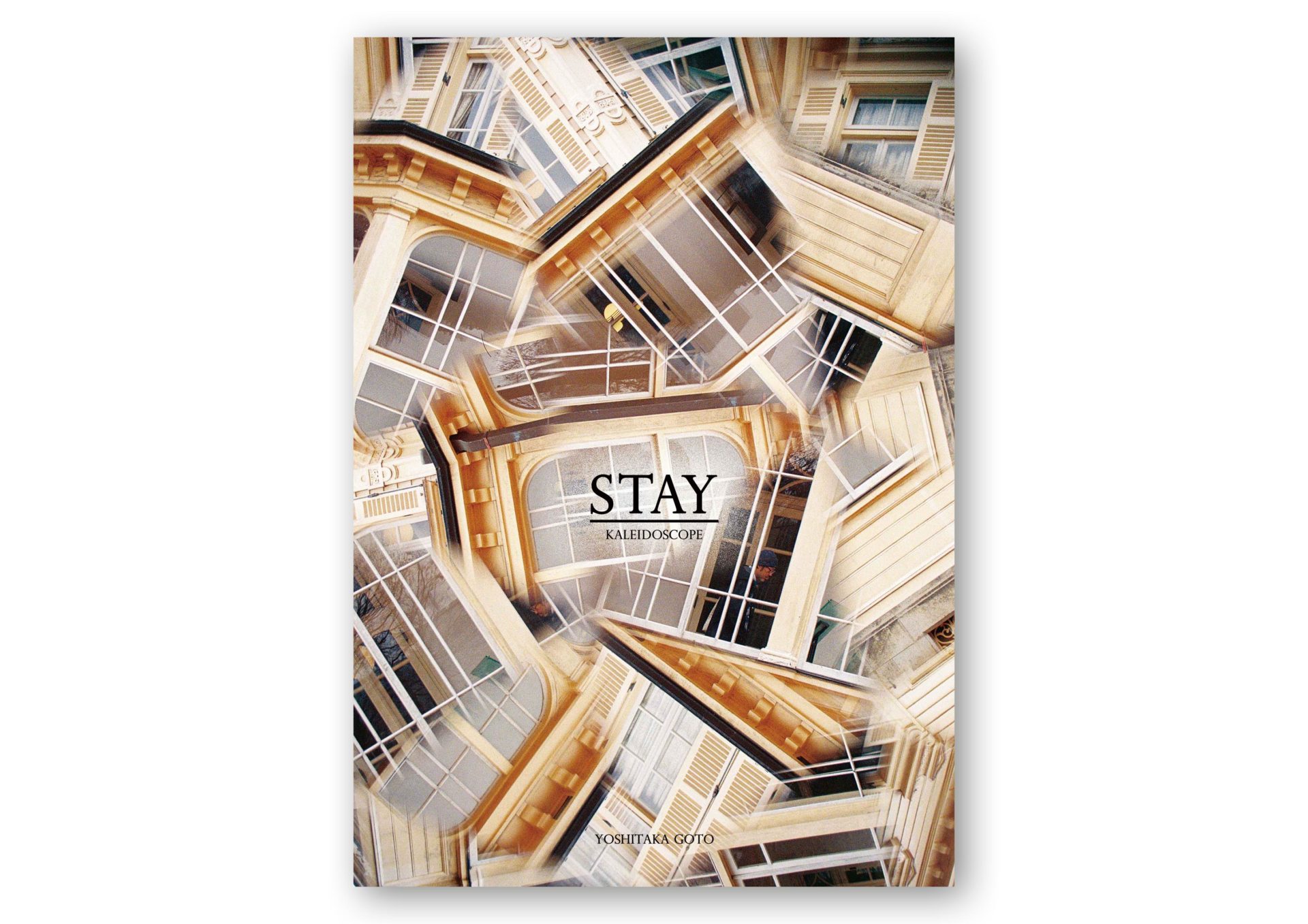
国内外でも非常に珍しい、万華鏡レンズによる写真作品集「STAY」。下記よりご購入をいただけます。ぜひお手に取ってご覧くださいませ!
- 1,650円 [税込]
「STAY」 ー万華鏡レンズによるアナログ写真作品集ー アメリカの職人が手作りした万華鏡レンズで撮影した、新シリーズ「STAY(ステイ)」。 コラージュのような幻想的なイメージはデジタル編集のように見えますが、これらはすべて万華鏡レンズがもたらす効果です。通常のカメラレンズの前にこの特殊なレンズを装着すると、ファインダー越しの景色が万華鏡のように美しい対称模様へと変わります。 タイトル「STAY」には、2つの意味が込められています。 ひとつは、撮影時の緊張感から。万華鏡と同じように…

A New Series with a Kaleidoscope Lens “STAY“
My work has long been defined by multiple exposures using film cameras. However, last year I began developing an entirely new series — one created through a kaleidoscope lens. That series is “STAY.” As the collection goes on sale today, I’d like to take this opportunity to introduce it.
How I Discovered the Kaleidoscope Lens
My encounter with the kaleidoscope lens came completely out of the blue. Last summer, an American who had purchased my photobook “Mission” visited Japan and stopped by my home studio to see my printed works in person. He loves kaleidoscopes so much that he even uses kaleidoscope lenses for his photography, and to my surprise, he gave me a brand-new kaleidoscope lens as a gift. It was a beautifully crafted, handmade lens made by an American artisan.
Until that moment, I hadn’t given kaleidoscopes much thought. But something about this unexpected gift made me feel like it was the beginning of something exciting, and I started using it right away..
First Shoot: Off to Malaysia
My first location was Malaysia. Unlike multiple exposure photography, a kaleidoscope lens lets you see the composition directly through the viewfinder, which means there’s almost no room for error. At first, I thought it would be easier than multiple exposures.
But this lens has one defining characteristic: just like a real kaleidoscope, it never produces the same pattern twice. Once you find the ideal composition, you have to hold that moment — keep the lens still, don’t move the camera — and press the shutter immediately. The moment you think, “maybe there’s a better angle,” and shift even slightly, that composition is gone forever.
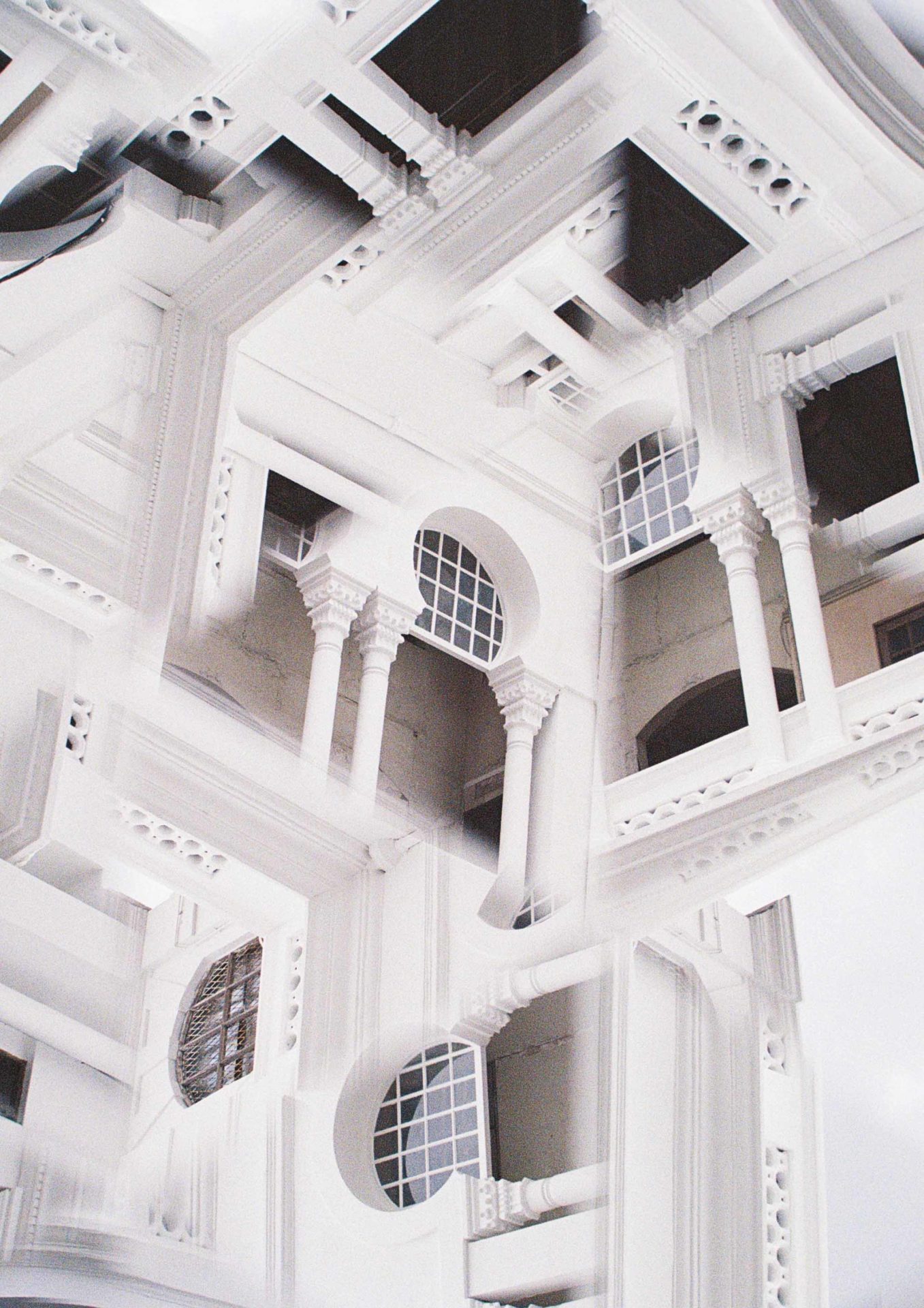
Even so, shooting two rolls of film in Malaysia yielded far more interesting results than I had anticipated. Beyond the symmetrical patterns you’d expect from a kaleidoscope, some compositions had a striking three-dimensionality, while changing the focal length of a telephoto lens produced completely different looks — the results truly exceeded my imagination.
Continuing in Tokyo and Osaka: An Experimental Journey
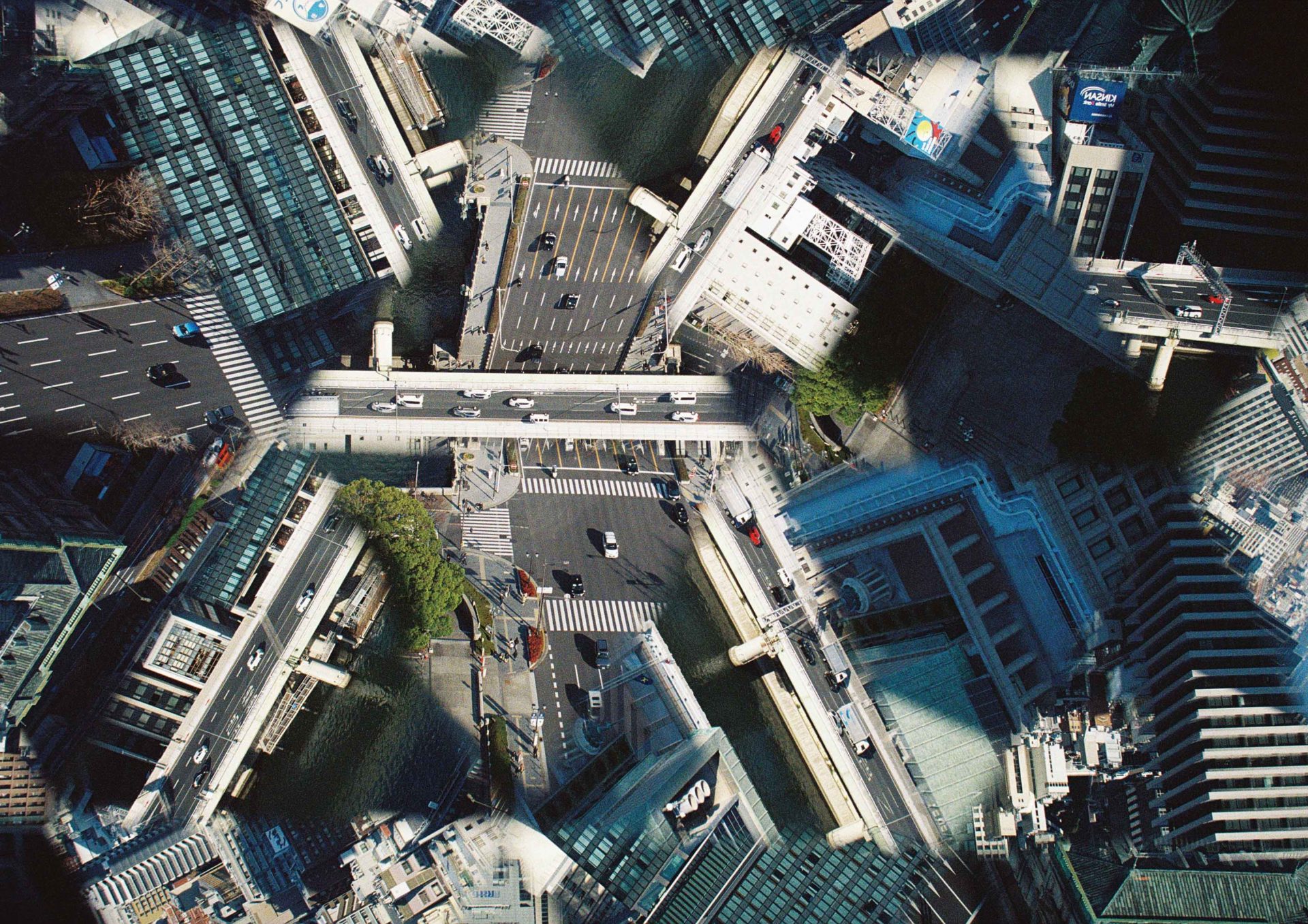
Captivated by this lens, I quickly moved on to shooting in Tokyo and Osaka. I experimented across a wide range of subjects, exploring how different focal lengths could transform the way each scene appeared.
The results were diverse: alongside the beautiful symmetrical patterns typical of a kaleidoscope, I found myself creating works reminiscent of M.C. Escher’s optical illusion paintings, as well as images that evoked the gravity-defying, upside-down cityscapes from Christopher Nolan’s film Inception.
Two Meanings Behind the Title “STAY”
With far more satisfying work than I had expected, I decided to compile these images into a ZINE. The title “STAY” carries two distinct meanings.
The first is about holding the moment. This lens never produces the same pattern twice. When you find the perfect composition, you must “STAY” — freeze that instant and release the shutter without hesitation. The word captures something essential about the act of shooting with this lens.
The second is a tribute to Christopher Nolan’s Interstellar. Among the works in this collection, there is a photograph of a bookshelf — one that immediately called to mind the iconic bookshelf scene from the film. And “STAY” is, of course, a word at the very heart of that story.
“STAY” is a photobook created entirely with a kaleidoscope lens — a genuinely rare body of work, both in Japan and abroad. It is available for purchase in the online shop. I hope you’ll pick up a copy and see it for yourself.
If you are placing an order from outside Japan, please contact me first, Thank you!
- 1,650円 [税込]
「STAY」 ー万華鏡レンズによるアナログ写真作品集ー アメリカの職人が手作りした万華鏡レンズで撮影した、新シリーズ「STAY(ステイ)」。 コラージュのような幻想的なイメージはデジタル編集のように見えますが、これらはすべて万華鏡レンズがもたらす効果です。通常のカメラレンズの前にこの特殊なレンズを装着すると、ファインダー越しの景色が万華鏡のように美しい対称模様へと変わります。 タイトル「STAY」には、2つの意味が込められています。 ひとつは、撮影時の緊張感から。万華鏡と同じように…